With the continuous advancement of technology and the growing market prosperity, LED technology has experienced rapid development in the domestic market. From the early micro indicator lights to today's giant high-definition displays, LEDs are gradually transforming our living and working environments with their unique charm. Today, we will delve into the three main types of LED modules— Dual In-line Package (DIP) modules, surface-mount Technology (SMT) modules, and semi-surface-mount modules—and explore their respective advantages and disadvantages.
First, let’s discuss Dual In-line Package (DIP) LED modules. As the name suggests, DIP modules are characterized by LEDs with their leads passing through the PCB board and being soldered to fill the diode holes. This design creates what is known as a DIP module. The design is simple yet effective, incorporating slots within the base diode body that allow users to easily replace LED chips. This setup not only facilitates maintenance but also reduces replacement costs. DIP modules function like flexible components that can be swapped and repositioned as needed, offering various lighting effects. However, due to the constraints of the DIP slots, the number and arrangement of LED chips in these modules are somewhat limited, making it difficult to achieve high brightness and high-density lighting effects.
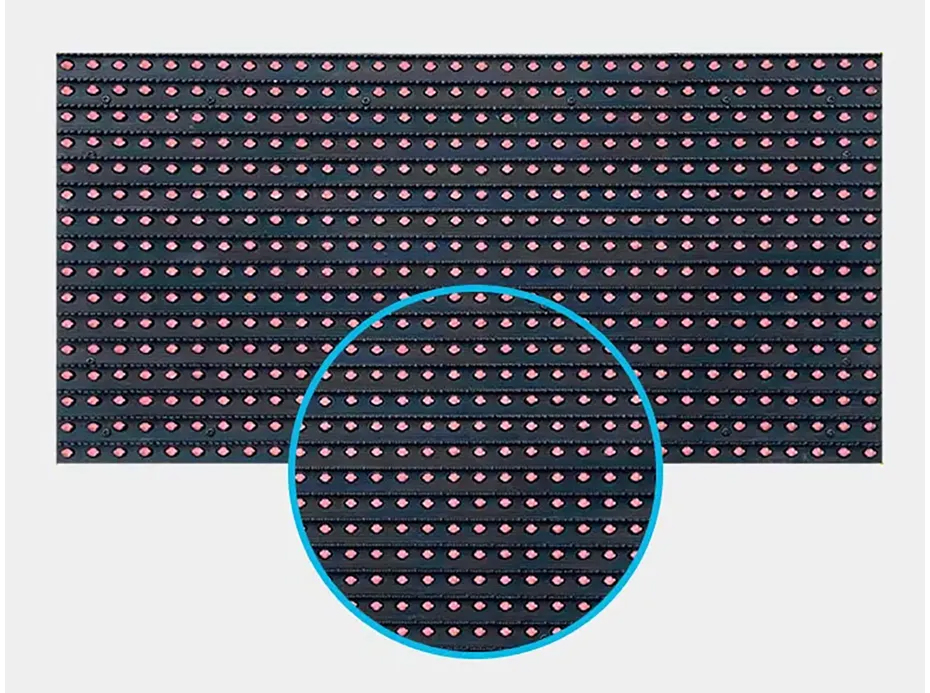
Next, let's take a look at Surface-Mount Technology (SMT) modules. SMT involves soldering LED chips onto the surface of a PCB without the leads passing through the board. Modules created using this method are known as surface-mount modules. SMT modules resemble meticulous craftsmen who precisely solder LED chips directly onto the circuit board, resulting in a tight and secure connection. This approach allows for a higher number and density of LEDs, creating a uniform display effect. Additionally, the close integration of the LEDs with the circuit board ensures stable circuit performance and relatively longer lifespan. SMT modules are like a finely crafted artwork, rich in detail and vibrant in colour, making them ideal for displaying high-definition images and videos in indoor environments. However, the manufacturing process for SMT modules is more complex, requiring high-precision PCB manufacturing techniques and accurate soldering processes, which increases the overall cost.
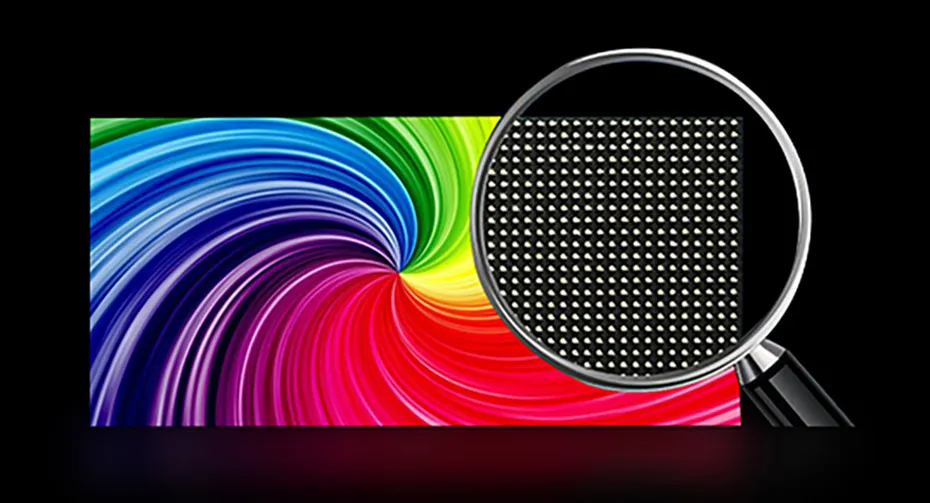
Finally, let's introduce the semi-surface-mount module. The semi-surface-mount module is a compromise between the DIP and SMT modules. It involves soldering LEDs onto the surface of the circuit board using SMT technology, but without the full coverage required by standard SMT modules, making it relatively more cost-effective. Semi-surface-mount modules can achieve a higher LED density, and because the LEDs are soldered closer to the circuit board surface, they also offer better heat dissipation. However, due to the solder points being more susceptible to vibrations and temperature changes, the durability of semi-surface-mount modules is slightly lower compared to standard SMT modules.
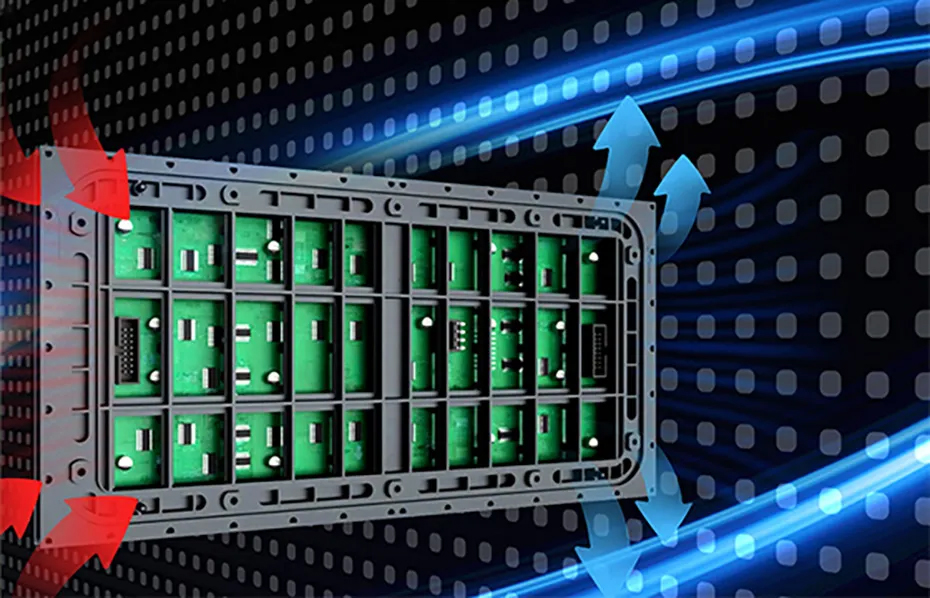
So, the DIP modules, SMT modules, and S-SMT modules each have different advantages and disadvantages. Here is a detailed analysis of them:
Advantages of DIP modules:
Quick Replacement of
Diodes: The design of DIP modules allows for fast
insertion and removal of diodes, making maintenance and replacement easy, especially
for LED diodes with shorter lifespans.
Simple Design: Its structure is relatively simple, making it easy to
produce and maintain.
Good Heat Dissipation: Due to the way the diodes are connected to the
circuit board, plug-in lamp modules typically have good heat dissipation
performance.
Disadvantages of DIP modules:
Limited Number and Layout
of Diodes: Due to the design of the slots, the number
and layout of diodes in DIP modules are somewhat restricted, making it
challenging to achieve high brightness and high-density lighting effects.
Lower Pixel Density: Compared to surface-mount modules, DIP modules
typically have a lower pixel density.
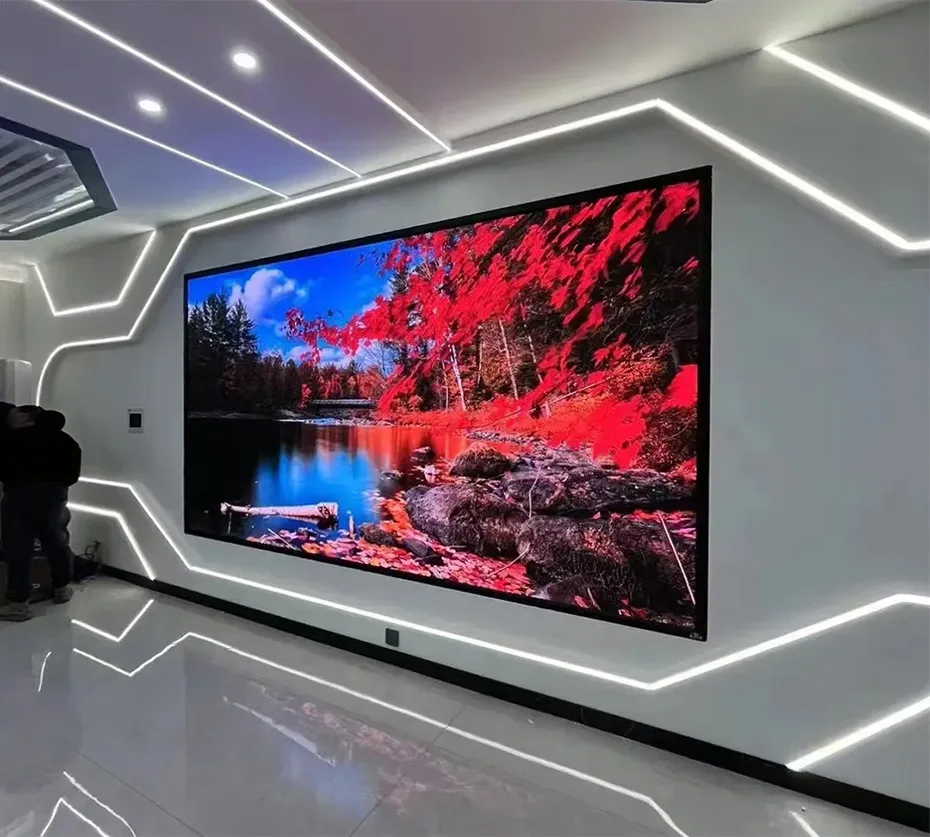
Advantages of SMT modules:
High Number and
Density of Diodes: SMT modules achieve a
high number and density of diodes by directly soldering them onto the circuit
board, resulting in a uniform lighting effect.
Stable Circuit Performance: The tight integration of the diodes with the
circuit board ensures stable circuit performance and relatively longer
lifespan.
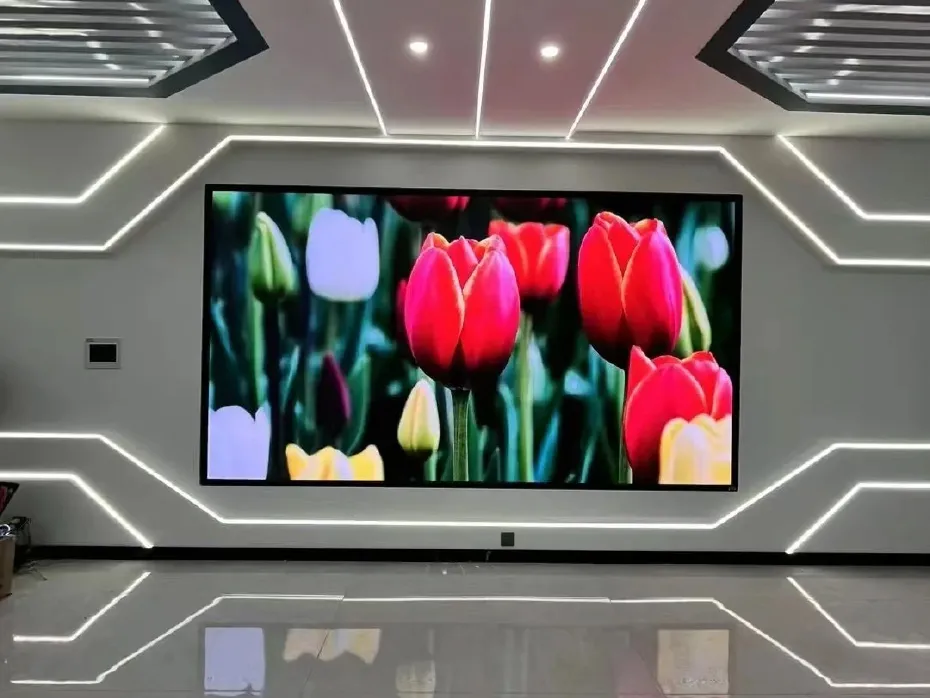
Excellent Display Quality: With a wide viewing angle, soft display
images, and high pixel density, SMT modules are particularly well-suited for
indoor viewing.
Disadvantages of SMT modules
Higher Manufacturing Cost: The production of SMT modules involves complex processes and requires high precision in circuit board manufacturing and soldering, which increases the cost.
Lower Brightness: Compared to semi-SMT modules, SMT modules may have slightly lower brightness.
Less Effective Heat Dissipation: Since the diodes are directly mounted on the circuit board, heat dissipation may not be as effective as in DIP modules.
Advantages of semi-SMT modules
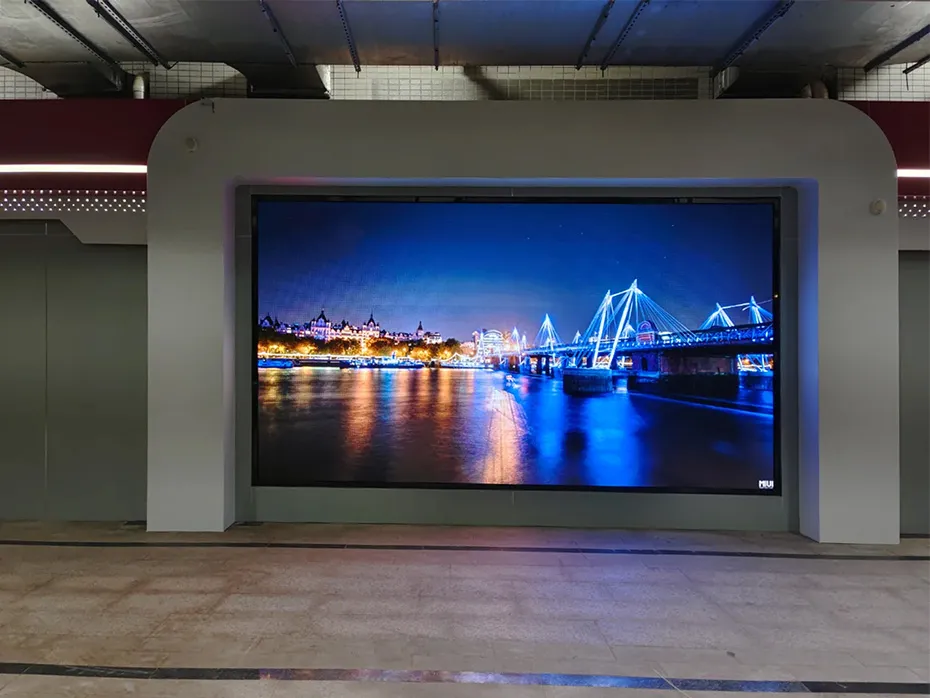
High Brightness: Semi-SMT modules combine the features of both plug-in and SMT modules, achieving higher brightness.
Good Display Quality: With high brightness, these modules provide excellent display performance, making them particularly suitable for applications requiring high brightness and high definition.
Disadvantages of Semi-SMT modules
Complex Process: The production process for semi-SMT modules is more complex, falling between DIP and SMT techniques.
Difficult Maintenance: Due to their unique structure, semi-SMT modules may pose challenges during maintenance.
Higher Cost: Although less expensive than SMT modules, semi-SMT modules are still more costly compared to plug-in modules.
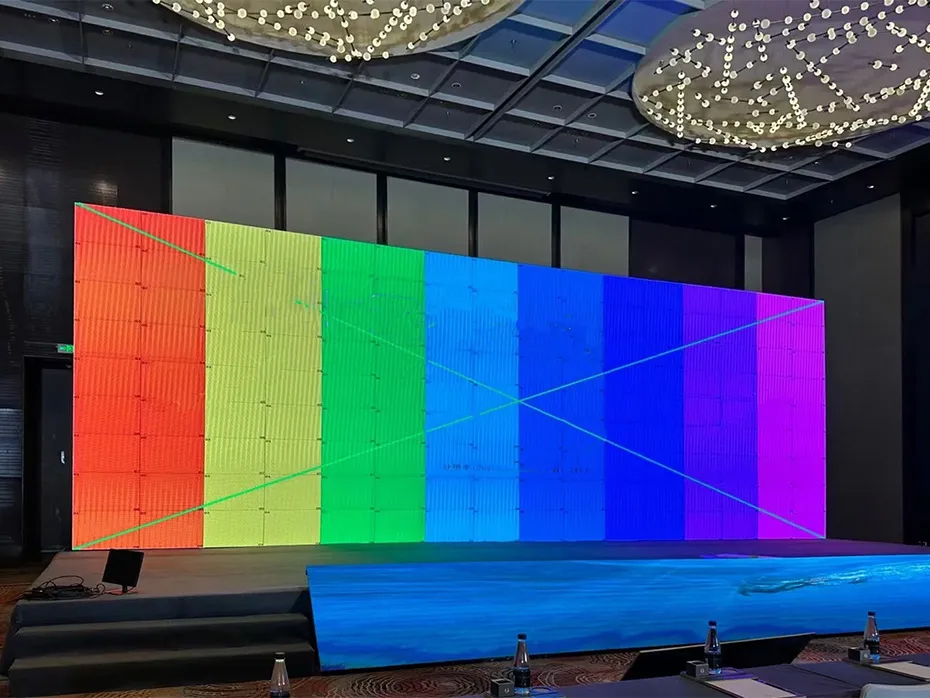
DIP modules, SMT modules, and Semi-SMT modules each have their own advantages and disadvantages. The specific choice should be based on the actual application scenario and requirements.
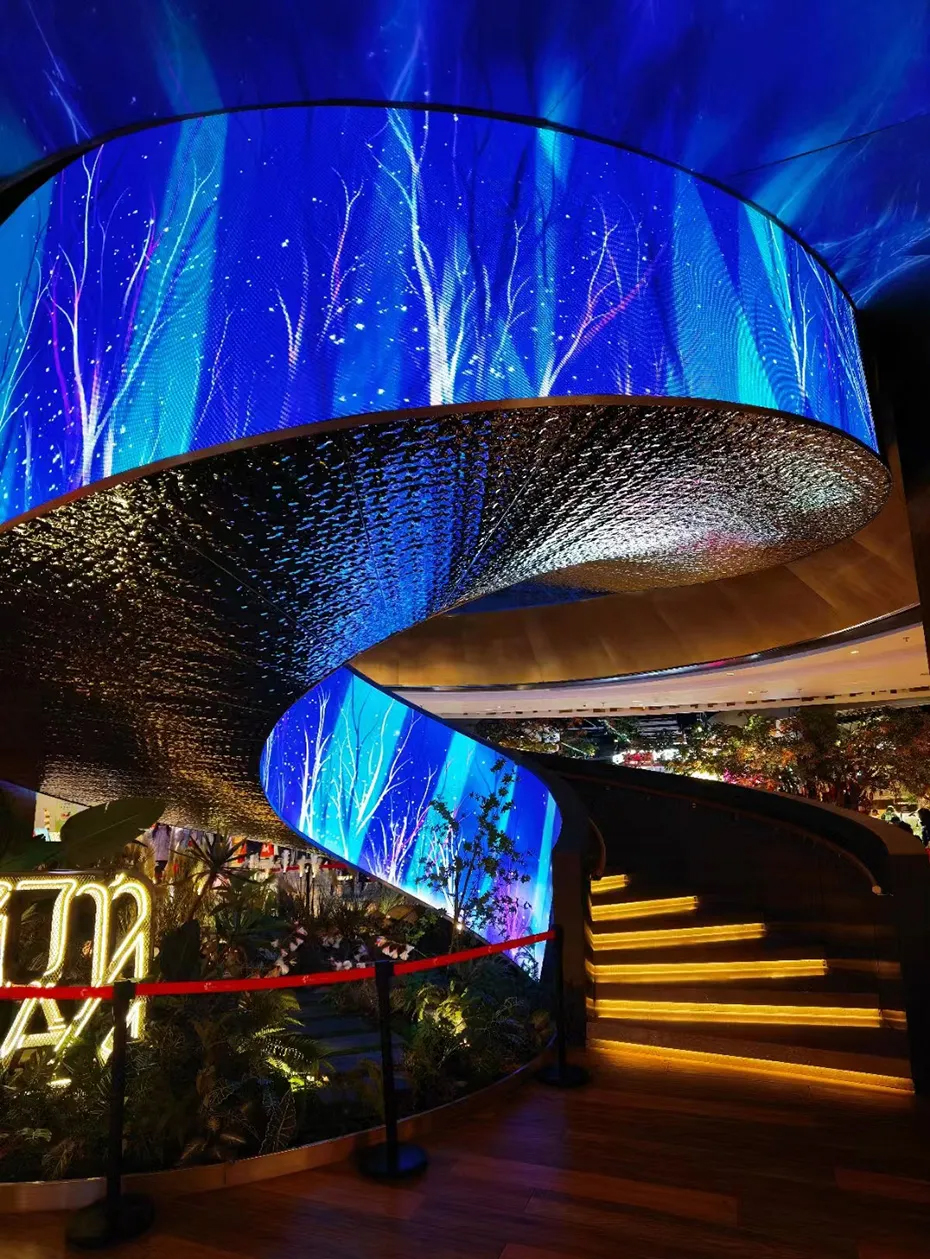
The working principle of an LED display screen is to achieve image display by controlling the display mode of semiconductor light-emitting diodes. Its product architecture includes several parts, such as the control system, drive system, and display system. In terms of technical capabilities, LED display screens continuously innovate, achieving higher resolution, wider color gamut, and lower energy consumption. In terms of performance characteristics, LED display screens have advantages such as high brightness, high contrast, long lifespan, and energy efficiency, and are widely used in indoor and outdoor advertising, stage performances, sports venues, and other fields.
Looking ahead, with continuous technological advancements and growing market demands, LED display screens will play a significant role in more fields. From smart homes to smart cities, and from virtual reality to augmented reality, LED display screens will bring us more surprises and possibilities with their unique charm.